Maximising Margins on Brownfield Sites: The Financial Case for On-Site Concrete Crushing
A deep dive into how commercial developers and Quantity Surveyors in the West Midlands can dramatically reduce site enablement costs, avoid soaring landfill taxes, and improve their carbon footprint by crushing demolition waste on-site to produce reusable 6F2 aggregate.


category:
COMMERCIAL & TECHNICAL
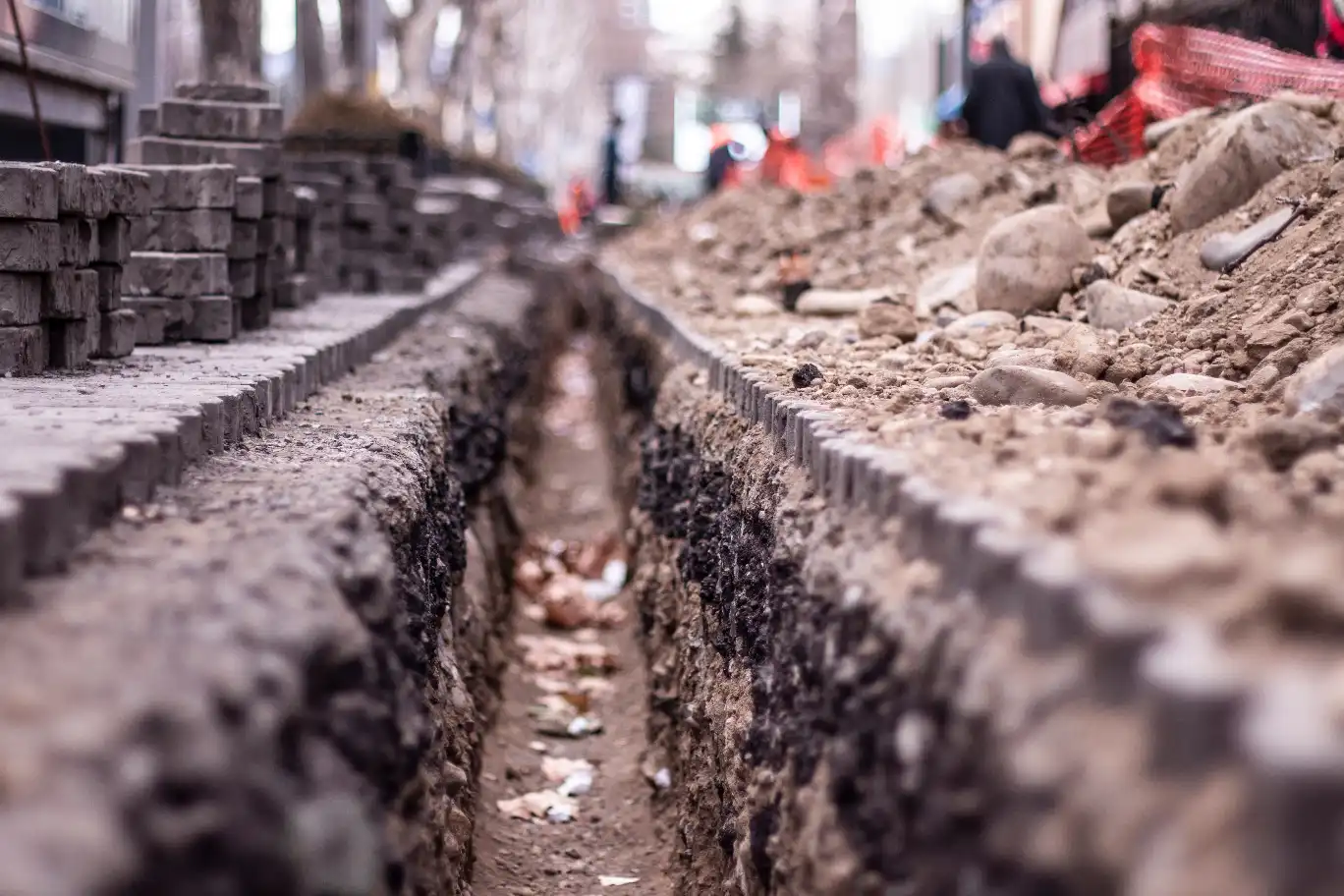
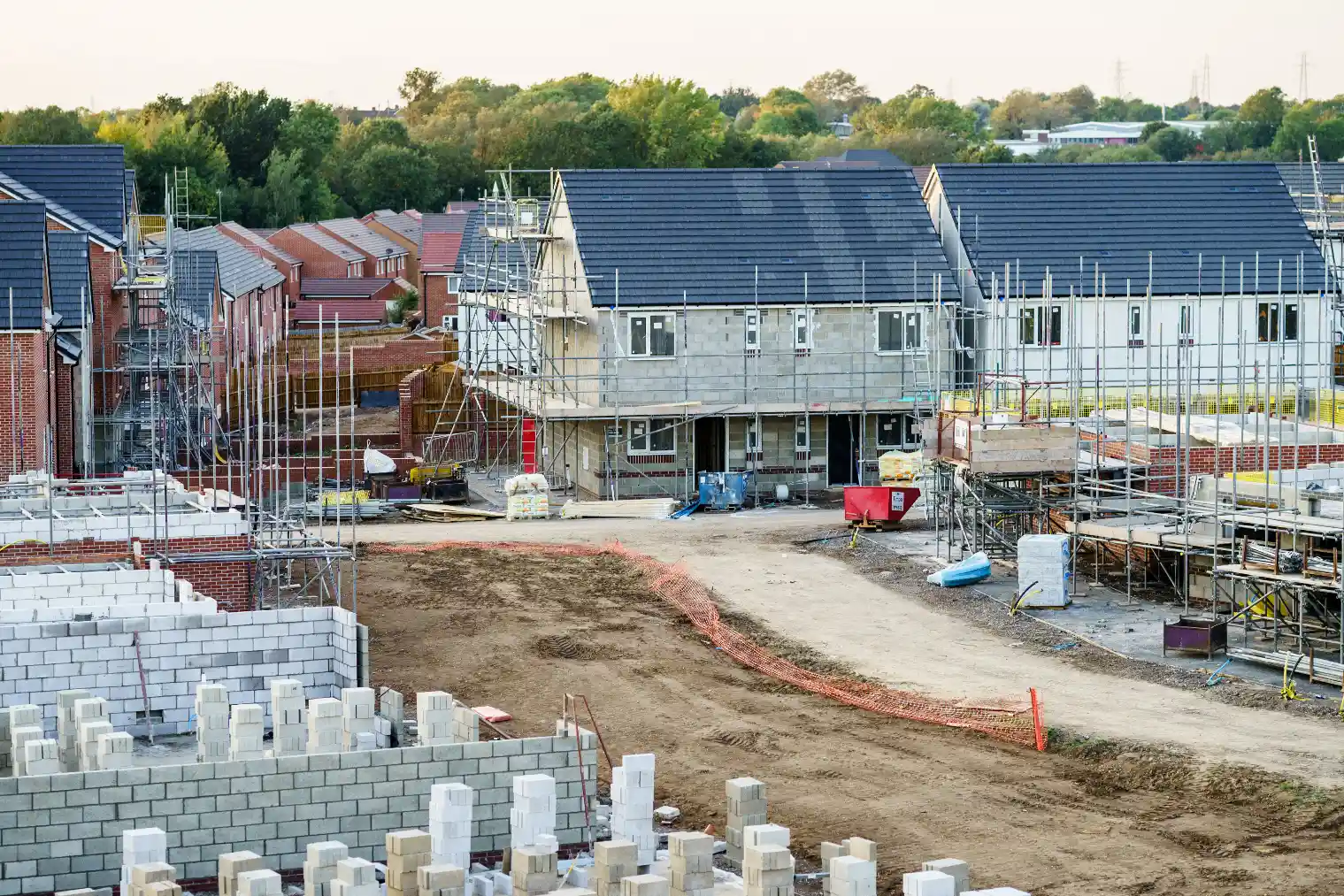
The West Midlands is experiencing a sustained surge in commercial development. However, the most lucrative and strategically placed locations are very often brownfield sites. These plots inevitably come with a heavy legacy of old concrete foundations, redundant factory slabs, and general demolition rubble. For Quantity Surveyors and commercial developers, this presents a significant financial hurdle during the critical site enablement phase.
Traditionally, commercial groundworks contractors would excavate this waste, load it into a fleet of tipper lorries, and send it to a landfill facility. This process, known in the construction trade as "muck away", is becoming prohibitively expensive. Landfill tax rates continue to rise sharply year on year. When you add the hourly haulage fees for moving thousands of tonnes of heavy concrete across congested areas like Birmingham or Staffordshire, the budget for site clearance can quickly spiral out of control. Furthermore, once the site is finally cleared, the developer then has to pay a premium to import virgin quarried stone to build the new sub-base. It is a double cost that eats directly into project margins.
The most effective way to protect your commercial budget is to stop treating demolition rubble as waste and start treating it as a valuable asset. Tilsley Groundworks advocates for a circular economy approach using mobile concrete crushing.
By bringing our heavy-duty crushing plant directly to your West Midlands development site, we process the excavated concrete, brick, and blockwork right where it was dug up. Our operators use Stage V low-emission excavators to feed the raw material into the crusher hopper. The machinery pulverises the rubble and uses heavy magnetic separators to extract any legacy steel reinforcement (which is then sent for metal recycling). The plant then grades the output into a certified, reusable aggregate.
Understanding the Output: What is 6F2 Aggregate?
The primary output of our on-site crushing process is 6F2 aggregate. This is a coarse, crushed material where the pieces are graded from 75 millimetres down to dust. Because it contains larger angular chunks of concrete alongside the finer binding dust, it offers exceptional mechanical interlock and load-bearing capacity once compacted.
6F2 is the civil engineering industry standard material for constructing temporary haul roads, heavy-duty piling mats, and the initial structural capping layer over soft ground. By producing 6F2 on your own site, you generate a massive supply of free foundational material. Depending on your engineering specifications, we can also adjust the crusher settings to produce a finer 45 millimetre down material, which acts as a highly effective substitute for imported Type 1 sub-base.
Frequently Asked Questions About Site Enablement and Crushing
How much money can on-site concrete crushing actually save?
The financial benefits are twofold and immediate. First, you completely eliminate the landfill tax and haulage fees associated with traditional muck away. Second, you eradicate the cost of purchasing and transporting virgin quarried stone to the site. For a medium-sized commercial groundworks project in Derby or Tamworth, this dual saving routinely equates to tens of thousands of pounds.
Is crushed concrete as strong as virgin Type 1 MOT?
For bulk fill, piling mats, and deep foundational capping layers, certified 6F2 crushed concrete performs exceptionally well and meets all structural building requirements. While virgin Type 1 MOT is sometimes specified by engineers for the final regulating layer directly under tarmac, high-quality crushed concrete is structurally sound and significantly more cost-effective for the heavy foundational layers.
How does on-site crushing help with environmental compliance?
Modern commercial tenders frequently require strict adherence to carbon reduction plans, such as the government PPN 06/21 framework. On-site concrete crushing drastically reduces the number of heavy goods vehicle movements required for your project. By cutting out the lorries taking waste away and the lorries bringing new stone in, you lower the carbon footprint of your site enablement phase. This sustainable civil engineering approach is highly attractive to planning authorities and environmentally conscious investors.
The Tilsley Groundworks Advantage
Delivering this level of efficiency requires a contractor with serious logistical firepower. Many civil engineering firms have to hire mobile crushers from third parties, leaving your project vulnerable to equipment shortages and delayed delivery times.
Tilsley Groundworks operates differently. We own the plant. We supply our own Volvo excavators, our own mobile crushers, and our own direct labour. From the initial demolition and brownfield remediation to the final power-floated concrete slab, we provide a seamless, integrated commercial groundworks package. This ensures your project stays on schedule and your budget remains protected.
more INSIGHTS
Articles
Groundworks is a complex field governed by shifting regulations. Our resource hub helps homeowners and developers navigate the technical landscape, from understanding foundation repair costs to meeting new Biodiversity Net Gain (BNG) requirements.